Deepika Padukone - The Cannes Jury President Who Made Bollywood a Global Conversation
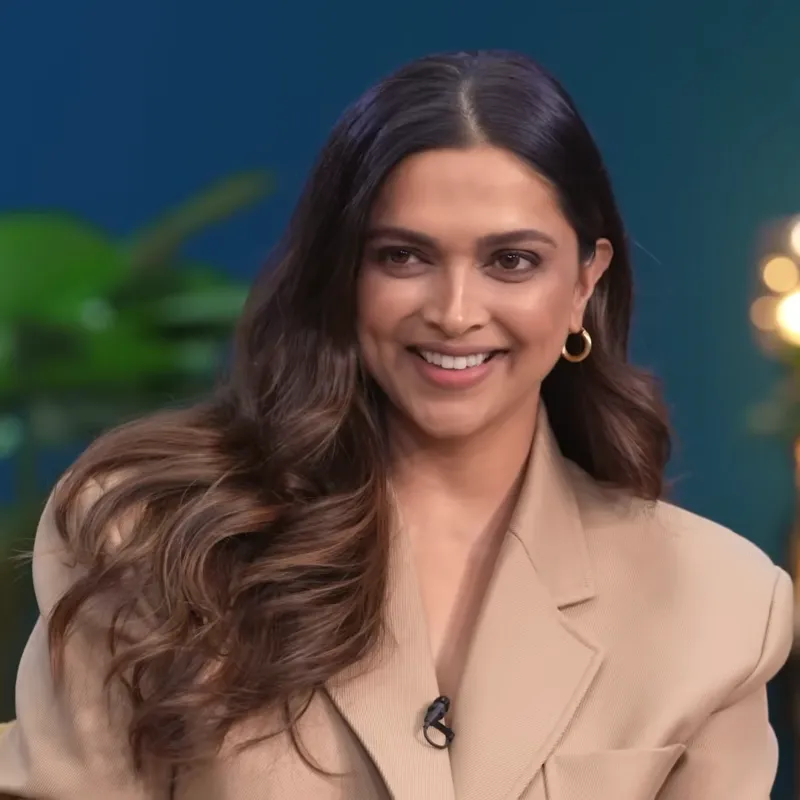
Photo of Deepika Padukone, via Wikimedia Commons
Deepika Padukone — India's Most Breathtaking Export, One Symmetrical Smile at a Time
If you were designing the most beautiful woman in India from scratch — really committing to the brief, no corners cut — you would end up with something that looks remarkably like Deepika Padukone. The height. The bone structure. The eyes that somehow manage to be simultaneously warm and devastating. The smile that has launched approximately ten thousand endorsement campaigns and at least one genuinely iconic dimple. Deepika Padukone is not merely beautiful. She is the architectural standard by which beauty in India is measured, and she has been for nearly two decades.
The Geometry of Perfection
Let's begin with the obvious, because the obvious here is genuinely extraordinary. Deepika Padukone stands at 5'8" — towering by Bollywood standards, statuesque by any standard — with a frame that moves through space with the particular authority of someone who spent years as a professional badminton player before pivoting to one of the most successful acting careers in Indian film history. That athletic background is not incidental. It explains the posture, the physical confidence, the way she inhabits a red carpet like she was born on one.
The face operates on a frequency of symmetry that facial recognition algorithms reportedly find almost unsettlingly perfect. The wide-set, deep brown eyes framed by naturally arched brows. The sharp, defined cheekbones. The jawline. And then the smile — that wide, luminous, dimple-bracketed smile that has become one of the most recognizable expressions in global entertainment. Deepika Padukone smiling is an event. It rearranges the room.
From Shuttlecock to Superstar
Deepika's origin story comes with a sports detour that most people forget, which is a shame because it's genuinely fascinating. Born in Copenhagen in 1986 to badminton legend Prakash Padukone and raised in Bangalore, she grew up in a household where athletic excellence was the baseline expectation. She pursued badminton seriously enough to represent Karnataka at the national level before concluding, apparently, that being nationally ranked at a sport wasn't quite enough and perhaps she'd try modeling instead.
Modeling led to Bollywood with the kind of speed that suggests the industry had been waiting for her. Her 2007 debut in Om Shanti Om opposite Shah Rukh Khan was one of the biggest Bollywood releases of the year, and Deepika — playing dual roles with a confidence that belied her complete lack of acting experience — was immediately declared a star. The industry agreed. The audience agreed. The box office agreed emphatically.
The Bollywood Dominance Era
What followed was a filmography that any actor on Earth would envy. Love Aaj Kal (2009), Cocktail (2012) — which many consider her first truly great performance — Yeh Jawaani Hai Deewani (2013), Ram-Leela (2013), Happy New Year (2014), Piku (2015), Bajirao Mastani (2015), Padmaavat (2018). The list reads like a greatest-hits compilation of the last fifteen years of Hindi cinema.
Bajirao Mastani and Padmaavat, both directed by Sanjay Leela Bhansali, represent perhaps the apex of her screen beauty — costumed, lit, and framed with operatic grandeur that turned her into something approaching mythology. When Deepika Padukone appeared as Rani Padmavati in Padmaavat, dressed in elaborately embroidered Rajput regalia, the internet briefly stopped functioning from the collective intake of breath.
The Hollywood Moment
In 2017, Deepika made her Hollywood debut in xXx: Return of Xander Cage opposite Vin Diesel. The film was not exactly Citizen Kane, but it was a global action franchise, and Deepika — holding her own against a cast of established Western stars — demonstrated that her appeal translated across cultural and linguistic borders without any loss of wattage. American audiences who had never heard of Bollywood suddenly had a reason to pay attention.
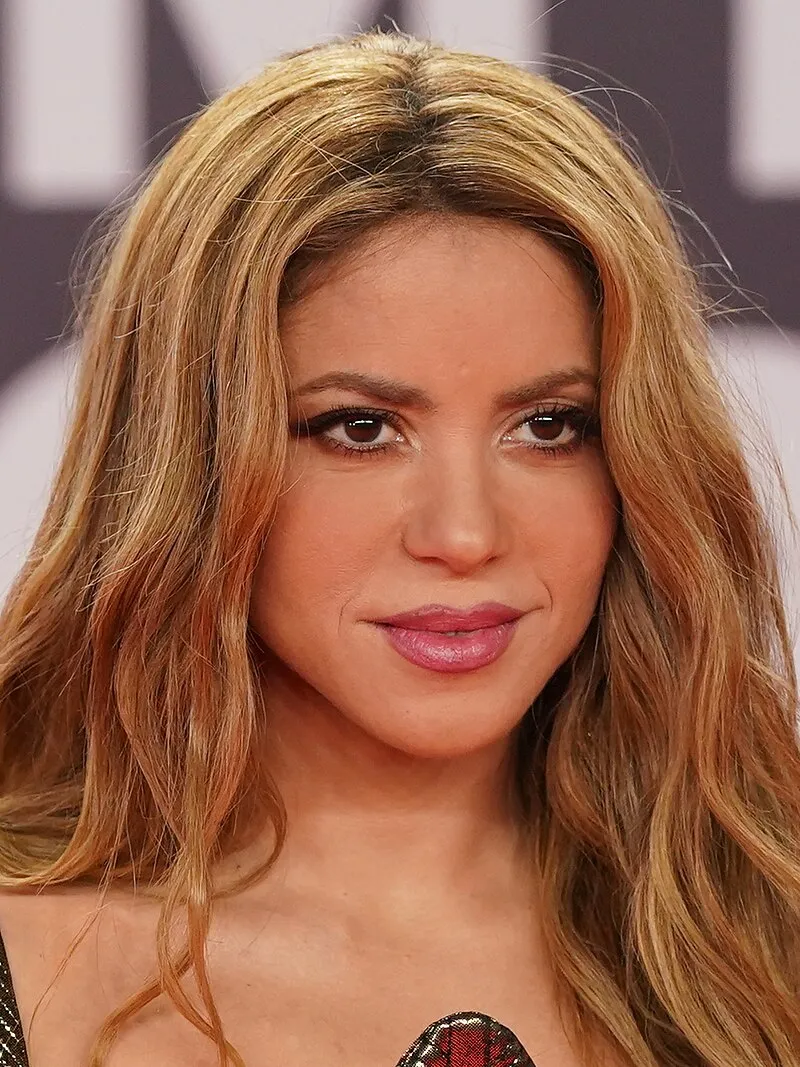
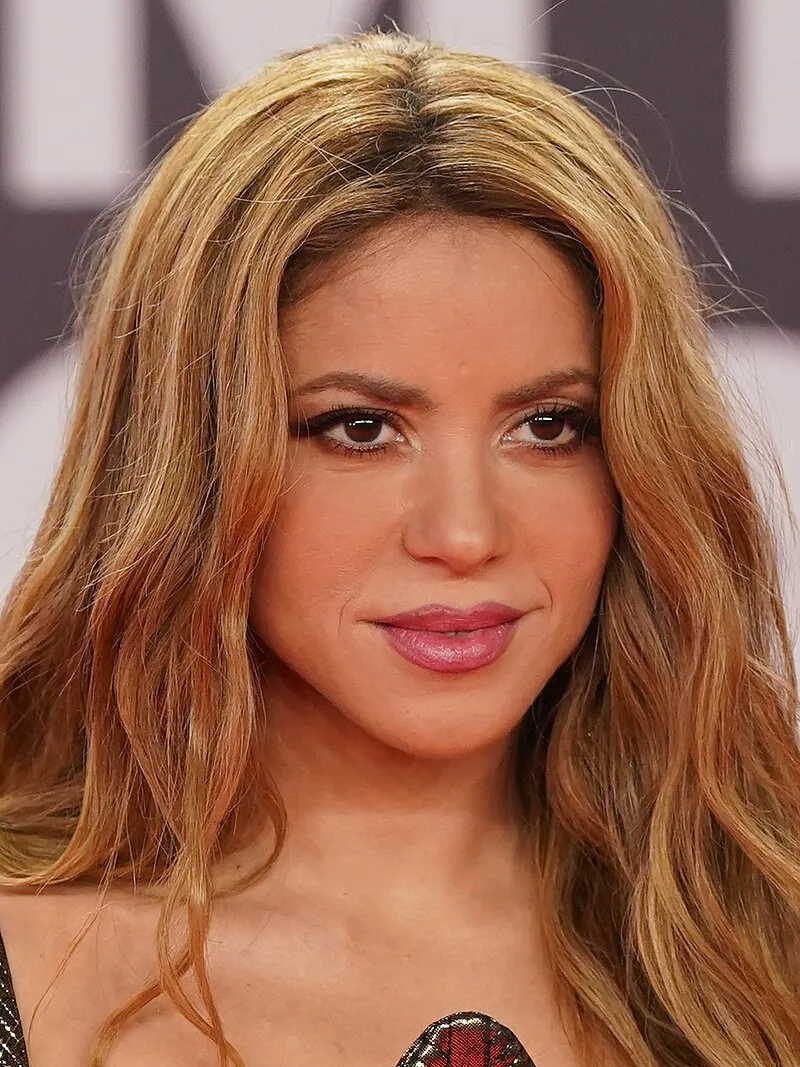
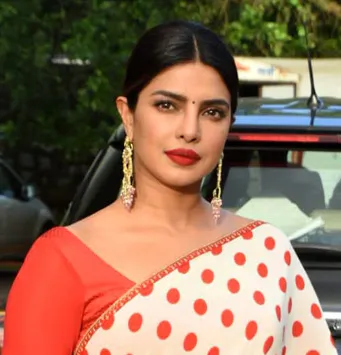
Her appearance at the Cannes Film Festival as a jury member in 2022 generated the kind of international fashion coverage typically reserved for A-list Hollywood royalty. Because, by that point, that's exactly what she was.
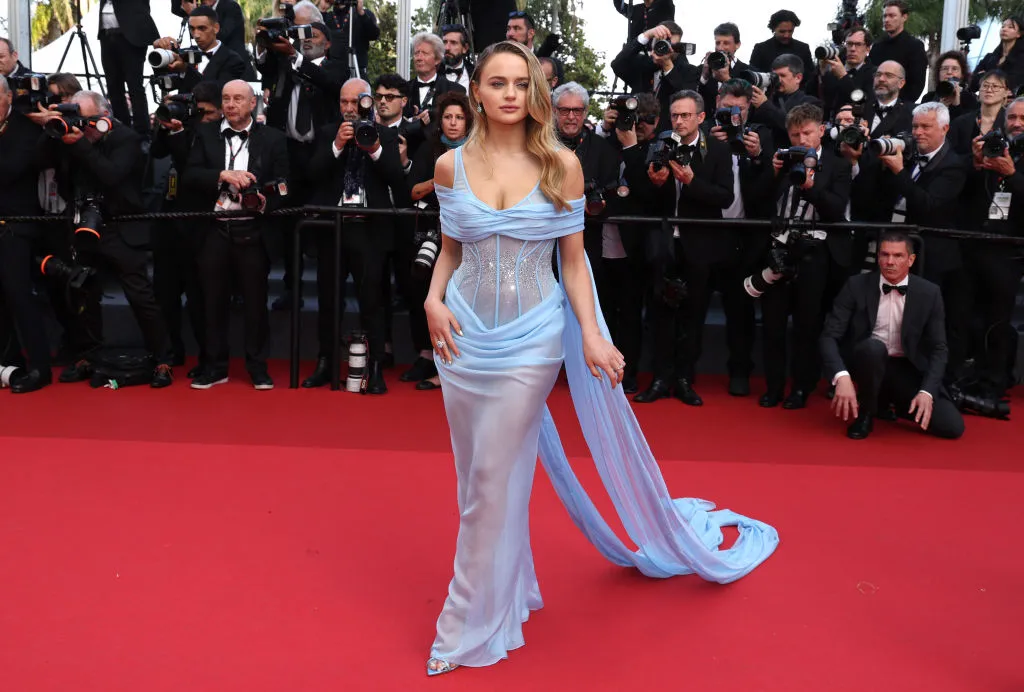 Photo: Cannes Film Festival, via wwd.com
The Economics of Being Deepika Padukone
Deepika Padukone's net worth is estimated at approximately $60–70 million, with multiple income streams operating at elite levels simultaneously.
Film Earnings: She is consistently ranked among the highest-paid actors in Bollywood, commanding fees of ₹20–25 crore (approximately $2.5–3 million) per film at her peak, plus profit-sharing arrangements on major productions. Films like Padmaavat and Chennai Express have each crossed ₹200 crore at the box office, making her one of the most reliably bankable stars in Indian cinema.
Endorsements: This is where Deepika's earnings reach genuinely staggering levels. Her brand portfolio includes Louis Vuitton — making her one of the first Indian actors to serve as a global ambassador for the French luxury house — L'Oréal Paris, Tanishq, Tissot, Levi's, Pepsi, and numerous other international and domestic brands. Annual endorsement earnings are estimated at $8–12 million, with individual luxury brand deals reportedly exceeding $2 million per year.
Ka by Deepika: Her production company, KA Productions, has been active in developing projects that give her creative control over her filmography — a strategic move that mirrors what Hollywood's smartest actors have been doing for decades.
Real Estate: Deepika and husband Ranveer Singh (married in 2018 in a ceremony so beautiful it made wedding photographers reconsider their entire portfolios) own multiple properties in Mumbai's most exclusive neighborhoods, with combined estimated values in the $10–15 million range.
The Advocacy That Changed the Conversation
In 2015, Deepika Padukone did something that no Indian celebrity of her stature had ever done: she went on national television and spoke openly about her experience with clinical depression. In a culture where mental health carries enormous stigma, the courage this required is difficult to overstate.
The response was immediate and transformative. She founded The Live Love Laugh Foundation, dedicated to mental health awareness and support in India, which has since reached millions of people through awareness campaigns, training programs, and resource development. Her advocacy work has earned her recognition from the United Nations and positioned her as one of the most socially conscious public figures in Indian entertainment.
Beauty that speaks up for something. That's the version that lasts.
What She's Doing Now
Deepika's recent projects include Kalki 2898 AD (2024), one of the most ambitious science-fiction productions in Indian cinema history, featuring a cast that includes Prabhas and Amitabh Bachchan. The film became one of the highest-grossing Indian films ever made, confirming that her box office power remains absolutely intact.
She continues to expand her international profile through Louis Vuitton campaigns, red carpet appearances at Cannes and the Met Gala, and a growing presence in global fashion media that positions her not just as a Bollywood star but as a genuine international style icon.
The Verdict
Deepika Padukone is the most beautiful woman in India the way the monsoon is the most dramatic weather event in India — you know it's coming, you know what it's capable of, and it still somehow exceeds your expectations every single time. She is a once-in-a-generation combination of physical magnificence, artistic ambition, and moral courage. The face launched a thousand campaigns. The woman built something worth considerably more.