Gal Gadot - The Israeli Warrior Queen Who Made Hollywood Bow Down
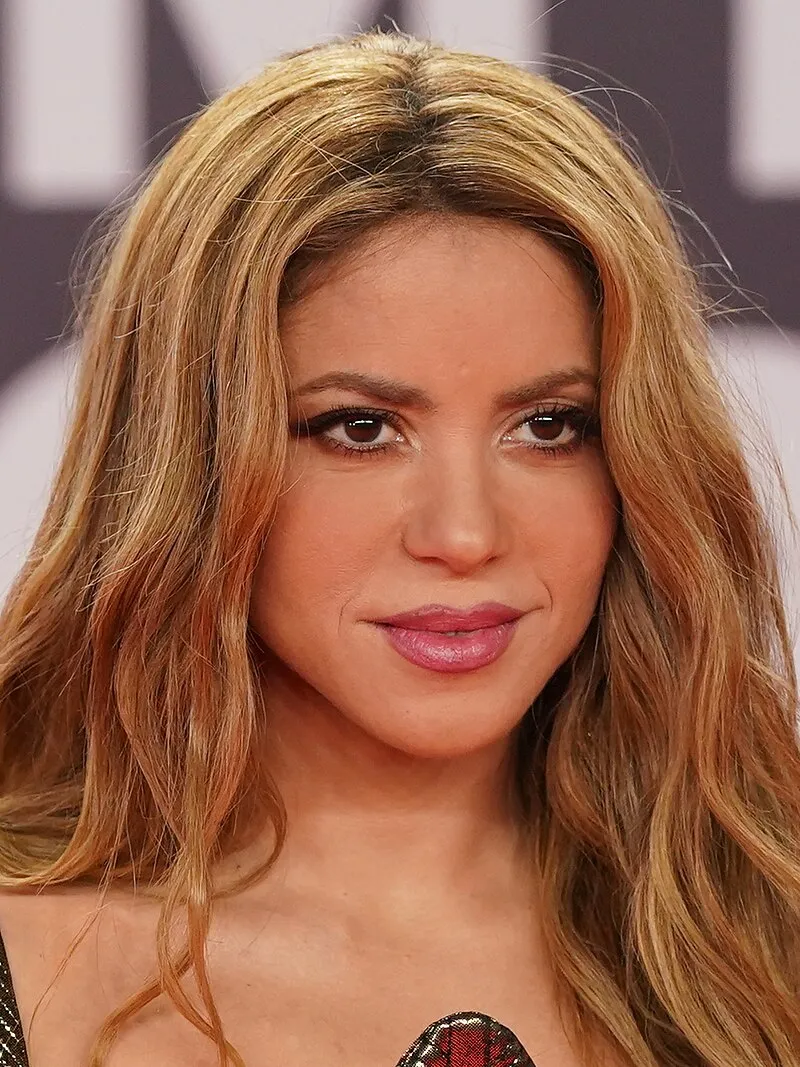
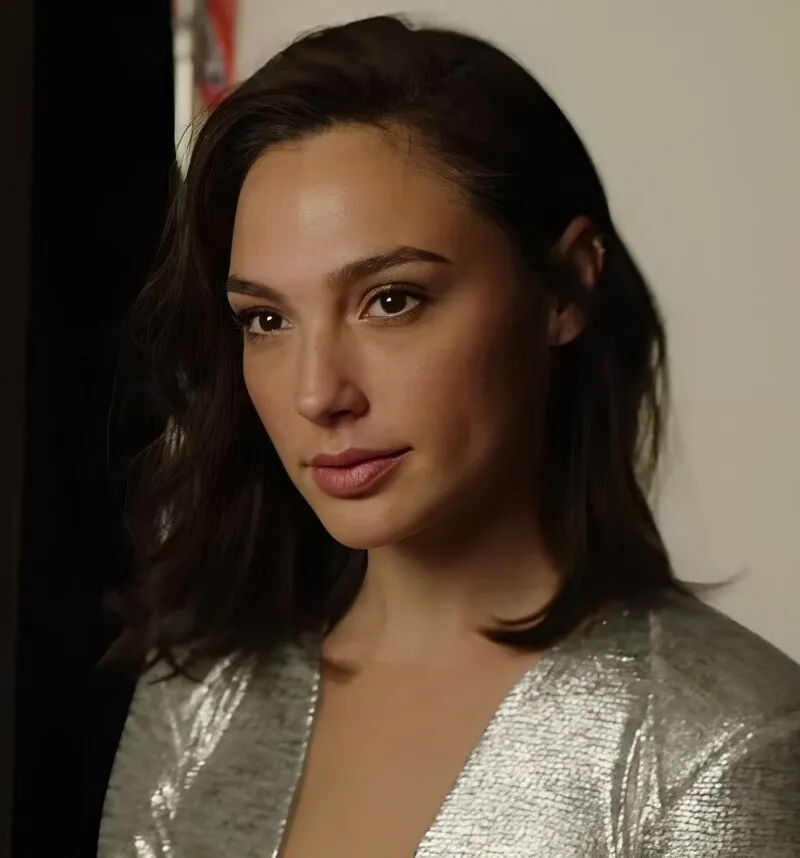
Photo of Gal Gadot, via Wikimedia Commons
Here is a sentence that should not be as surprising as it is: the woman who became the global face of female empowerment, strength, and superheroic grace was, before all of that, an actual soldier. Gal Gadot — born in Petah Tikva, Israel, in 1985, currently residing in the very highest echelons of Hollywood stardom — served two mandatory years in the Israel Defense Forces as a combat trainer before she ever set foot on a film set. Which means that when she plays a warrior princess who has been training since childhood, she is drawing on more relevant personal experience than most of her action-hero colleagues.
This is, in many ways, the essential Gal Gadot fact. Everything else — the beauty, the career, the franchise, the business empire — makes more sense once you understand that she is a person who approaches things with a particular seriousness of purpose that you don't typically acquire at drama school.
From Petah Tikva to the Universe
Gal Gadot's origin story is the kind that PR teams dream about because it requires almost no embellishment. She was born to a middle-class Israeli family — her father an engineer, her mother a teacher — and grew up in the Tel Aviv suburb of Petah Tikva. At 18, she was crowned Miss Israel 2004, a title that launched her into modeling and, subsequently, into the Miss Universe competition, where she represented her country on the international stage.
Then came the IDF service, which is mandatory for Israeli citizens. She served as a fitness and combat trainer, a role that shaped not just her physical conditioning but her mental discipline in ways that would later distinguish her from peers in Hollywood. When she emerged from military service and began pursuing acting and modeling in earnest, she was already someone who had been tested in ways that most aspiring actresses hadn't.
She appeared in several Israeli television productions and modeling campaigns before landing her first major international role: Gisele Yashar in Fast & Furious (2009). She would go on to appear in four films in the franchise, a run that introduced her to the global action movie audience and, crucially, put her on the radar of Warner Bros. and DC Entertainment.
The Role That Changed Everything
When Gal Gadot was cast as Wonder Woman in Batman v Superman: Dawn of Justice (2016), the internet did what the internet does — it had opinions. Loudly. Concerns were raised about her frame, her experience, her accent. The discourse was, in retrospect, a masterclass in how thoroughly wrong collective internet opinion can be.
Wonder Woman (2017), directed by Patty Jenkins, grossed $821 million worldwide and became one of the most critically acclaimed superhero films of the decade. More importantly, it became a cultural event — the first major female-led superhero blockbuster in the modern era, and a film that resonated with audiences in a way that transcended the genre. Gadot's performance was central to that success. She brought a warmth, a sincerity, and a physical presence to Diana Prince that made the character feel genuinely heroic rather than simply costumed.
Wonder Woman 1984 (2020) followed, along with appearances in Justice League (2017) and Zack Snyder's Justice League (2021). The franchise made her one of the most recognizable faces on the planet and, financially, one of the most valuable in Hollywood.
Beyond the Cape: A Career Built for Longevity
Smart actors don't let a franchise define them entirely, and Gadot has been deliberate about building a career that exists in parallel to Wonder Woman. She starred alongside Dwayne Johnson and Ryan Reynolds in Netflix's Red Notice (2021), which became one of the streaming platform's most-watched films of all time — a genuinely impressive achievement given that Netflix measures viewership in ways that make the numbers sound astronomical regardless of actual quality. Red Notice, to its credit, was actually fun.
She appeared in Kenneth Branagh's Death on the Nile (2022) as the glamorous Linnet Ridgeway, a role that showcased a different register — sophisticated, mysterious, old-Hollywood — and demonstrated that she is more than capable of holding her own in an ensemble of serious dramatic actors.
Her role as the Evil Queen in Disney's live-action Snow White (2025) represents another deliberate pivot — into villain territory, into a different kind of physical and emotional performance, and into a project with enormous built-in global visibility. Whatever one thinks of live-action Disney remakes as a genre, Gadot's casting as the villain was widely considered one of the film's smarter decisions.
The Business of Gal Gadot
Beyond acting fees — which, post-Wonder Woman, are reported to be in the $10 to $20 million per film range for major productions — Gadot has built a commercial empire that reflects her global appeal.
She serves as a brand ambassador for Revlon, a partnership that places her face in drugstores and beauty aisles across America and internationally. She has fronted campaigns for Reebok, Gucci fragrances, and multiple other international brands, with total endorsement earnings estimated at $10 to $15 million annually.
In 2020, she co-founded Pilot Wave Motion Pictures with her husband, producer Yaron Varsano, a production company through which she is developing projects that will expand her role from in-front-of-camera talent to creative force behind it. The company has several projects in development, including a Cleopatra biopic in which Gadot will star — a casting choice that generated its own internet discourse, which she has handled with the kind of composed pragmatism you develop when you've trained soldiers for a living.
The Beauty That Built a Brand
Gadot's physical appearance is worth examining specifically because it is so central to her cultural impact, and because it represents a particular kind of Mediterranean beauty that Hollywood had historically underutilized. She is tall — 5'10" — with dark hair, olive skin, strong bone structure, and features that read as simultaneously exotic and approachable to American audiences. She has the kind of face that translates perfectly across cultures: striking enough to stop a scroll, warm enough to generate genuine affection.
Her beauty approach is notably unfussy for someone at her level of celebrity. She is frequently photographed in minimal makeup, and her public statements about beauty consistently emphasize confidence and authenticity over perfection. Whether this is genuine philosophy or extremely sophisticated brand management is, frankly, irrelevant — it works, and it has helped build a public persona that feels trustworthy in a way that pure glamour rarely does.
She has spoken openly about the experience of being an Israeli woman in Hollywood — the accent questions, the assumptions, the occasional surprise when people realize that Israeli women are, in fact, allowed to be both beautiful and formidably competent. She handles it all with a dry humor that her fans find endearing and her critics find disarming.
What Israel Gave Hollywood
Gal Gadot's significance extends beyond her individual achievements. She has been, almost single-handedly, the most prominent Israeli face in mainstream American entertainment for the better part of a decade — a cultural ambassador whose impact on how American audiences perceive Israel is difficult to quantify but impossible to dismiss.
She has used that platform thoughtfully, speaking about her background, her military service, and her identity in ways that are personal rather than political, which has allowed her to maintain a broad fanbase across a range of audiences with varying views on the complicated geopolitics of her home region.
Israel is a country of remarkable people. Gal Gadot is the one who made the whole world watch.